
Next-Generation Self-Healing Materials: Technologies That Repair Themselves Without Human Intervention
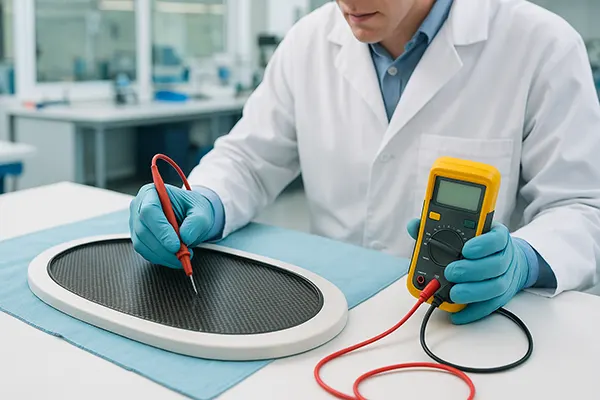
Self-healing materials represent one of the most significant technological shifts in materials science over the past decade. By 2025, these technologies have moved beyond laboratory experiments and into real-world applications, addressing long-standing issues of durability, maintenance costs, and structural safety across multiple industries.
Fundamental Principles of Self-Healing Materials
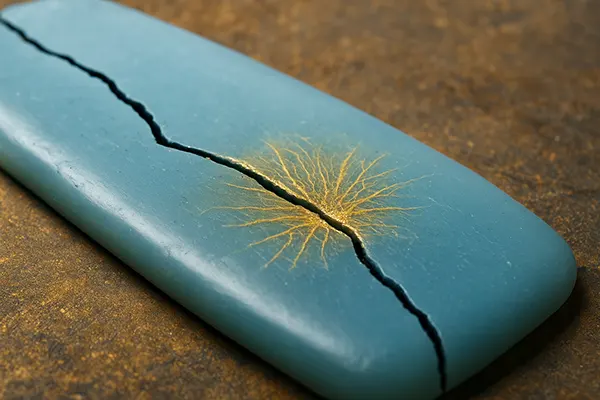
At their core, self-healing materials are engineered to restore functionality after damage such as cracks, fractures, or surface wear. Unlike traditional materials that degrade irreversibly, these systems incorporate physical or chemical mechanisms that activate repair processes automatically when damage occurs.
Most modern self-healing solutions rely on either intrinsic or extrinsic healing strategies. Intrinsic systems regenerate through reversible chemical bonds or molecular mobility, while extrinsic systems contain embedded healing agents that are released when structural damage appears.
By 2025, advances in polymer chemistry and nanotechnology have significantly improved healing efficiency, allowing materials to recover up to 90% of their original mechanical strength under controlled conditions.
Intrinsic Versus Extrinsic Healing Mechanisms
Intrinsic self-healing materials rely on dynamic molecular bonds such as hydrogen bonding, metal–ligand coordination, or reversible covalent reactions. These bonds can break and reform repeatedly, enabling multiple healing cycles without additional external inputs.
Extrinsic systems, by contrast, incorporate microcapsules or vascular networks filled with healing agents. When cracks propagate, these capsules rupture and release substances that polymerise and seal the damaged area.
While extrinsic approaches often offer faster initial healing, intrinsic systems are increasingly favoured in long-term applications due to their repeatability and reduced material fatigue over time.
Industrial Applications and Real-World Deployment
By 2025, self-healing materials are no longer confined to academic research. They are actively used in construction, aerospace, electronics, and automotive manufacturing, where maintenance reduction and safety improvements deliver measurable economic benefits.
In civil engineering, self-healing concrete containing bacteria or mineral-based capsules has been implemented in bridges and tunnels, extending service life and reducing repair frequency in harsh environmental conditions.
The electronics sector has adopted self-repairing conductive polymers to improve the durability of flexible devices, wearables, and sensors exposed to mechanical stress.
Self-Healing Materials in Construction and Infrastructure
Concrete remains one of the most widely used materials globally, yet it is highly susceptible to microcracking. Self-healing concrete formulations introduced by 2025 utilise calcium carbonate–producing bacteria or encapsulated mineral compounds to seal cracks autonomously.
Field data from European infrastructure projects indicate crack closure within weeks under normal humidity conditions, significantly reducing water ingress and reinforcement corrosion.
These technologies contribute directly to sustainability goals by lowering material consumption, decreasing carbon emissions associated with repairs, and extending structural lifespan.
Challenges, Limitations, and Future Development
Despite rapid progress, self-healing materials still face technical and economic constraints. Healing speed, scalability, and performance under extreme conditions remain key challenges for widespread adoption.
Cost remains a critical factor, particularly in large-scale construction and mass manufacturing. Although prices have decreased since early prototypes, advanced formulations still require optimisation to compete with conventional materials.
Long-term durability testing is another priority, as repeated healing cycles may gradually reduce effectiveness depending on material composition and environmental exposure.
Research Directions Beyond 2025
Ongoing research focuses on hybrid systems combining intrinsic and extrinsic healing to balance durability and rapid response. Artificial intelligence–assisted material design is also accelerating the discovery of new self-healing compounds.
Energy-efficient activation methods, including ambient temperature healing and moisture-triggered repair, are becoming central research themes to minimise external dependencies.
As regulatory standards evolve and lifecycle cost analysis becomes more prominent, self-healing materials are expected to transition from specialised solutions to standard components in high-performance engineering.